
Understanding Bed Bugs: Key Facts and Behaviors
Bed bugs are small, parasitic insects that feed on the blood of humans and animals. They belong to the family Cimicidae and are notorious for their ability to infest homes, hotels, and public spaces with relative ease. Understanding their behavior, environmental preferences, and signs of infestation is crucial for effective management. With the rise of bed bug infestations in urban areas, knowing how to identify and address these pests can save you significant distress and expense. When exploring options, a bed bug exterminator can provide comprehensive insights into treatment strategies and prevention methods.
What are Bed Bugs and How Do They Infest Homes?
Bed bugs are small, oval-shaped insects that typically measure between ¼ and ½ inch in length. They are reddish-brown and have flat bodies, which allow them to hide easily in cracks and crevices. Their life cycle consists of several stages, including egg, nymph, and adult, with temperatures around 80°F (27°C) being optimal for reproduction. Bed bugs are excellent hitchhikers, often entering homes through luggage, used furniture, or clothing. Once they establish themselves, they can reproduce rapidly, leading to a full-blown infestation within weeks.
Typical Signs of Bed Bug Infestation
Recognizing the signs of bed bug infestation is essential for timely intervention. Common indicators include:
- Red, itchy welts on the skin that appear after sleeping.
- Dark spots on bedding, furniture, and walls, which are fecal stains from bed bugs.
- Molted exoskeletons or tiny white eggs in hidden areas.
- Unpleasant, musty odors in infested spaces.
If any of these signs are present, it’s advisable to contact a professional bed bug exterminator for an effective assessment and treatment plan.
Behavior and Habitats of Bed Bugs: What You Should Know
Bed bugs primarily thrive in environments where people sleep. They are mostly nocturnal, feeding on their hosts during the night while hiding in places such as mattress seams, bed frames, and baseboards during the day. Their ability to survive without feeding for months makes them particularly resilient to eradication efforts. They tend to live within an 8-foot radius of their food source, which usually includes humans. Understanding their behavior and preferred habitats can significantly enhance the effectiveness of pest control measures.
Why Professional Bed Bug Exterminator Services Matter
Hiring a professional bed bug exterminator can provide significant advantages compared to DIY methods. These experts have access to stronger, more effective treatment options and understand the intricacies of bed bug behaviors and habitats. This knowledge allows for a more comprehensive approach to extermination, addressing both the bugs and their hiding spots.
The Advantages of Hiring a Professional Bed Bug Exterminator
The benefits of employing a professional exterminator include:
- Access to advanced pest control technologies and methods, such as heat treatments and chemical sprays.
- Expert assessments that pinpoint the extent of an infestation, ensuring accurate treatment.
- Long-term solutions that minimize the risk of re-infestation through preventative measures.
Overall, professional exterminators can provide peace of mind and protect your home more efficiently than over-the-counter solutions.
Common Misconceptions About DIY Bed Bug Solutions
Many homeowners believe that DIY solutions, such as sprays and powders, are sufficient to handle bed bug infestations. However, these methods often lack the reach and potency needed to eradicate all stages of bed bugs. Furthermore, improperly applied treatments can drive these pests further into hiding, complicating future extermination efforts. It’s important to understand that while DIY options might help reduce surface-level infestations, they rarely lead to complete eradication.
Cost Effectiveness of Professional Treatments Over Time
Though the initial investment in professional bed bug extermination might seem high, it is often more cost-effective over time. Bed bugs can cause damage to furniture and belongings while resulting in lost productivity due to sleepless nights. Furthermore, untreated infestations can lead to an exponential increase in both treatment costs and damage control. Professional solutions ensure that the problem is resolved quickly and effectively, ultimately saving homeowners time and money.
Effective Bed Bug Treatment Options Available
Understanding the various treatment options available for bed bug infestations is essential for making informed decisions. Professionals typically offer a range of methods, from chemical treatments to heat applications, each with distinct advantages and considerations.
Overview of Chemical Treatment Methods
Chemical treatments involve the use of insecticides designed to target bed bugs at different life stages. These solutions can be applied in several ways, including sprays, powders, and residual treatments. The effectiveness of chemical treatments often depends on the preparation and application.
While it may require more preparation, a thorough approach ensures the chemicals reach all hiding spots. With some products providing up to 120 days of protection, they can significantly reduce the chances of re-infestation.
Benefits of Heat Treatment for Bed Bugs
Heat treatment is increasingly popular due to its eco-friendly nature and effectiveness against all life stages of bed bugs, including eggs. This method involves raising the temperature of infested areas to a level that is lethal to bed bugs. Unlike chemical treatments, heat reaches all hiding spots, making it a comprehensive solution. Furthermore, it can help eliminate allergens and dust mites, creating a healthier environment for residents.
Combination Treatments: The Ultimate Solution
For optimal results, many pest control companies employ combination treatments that utilize both chemical and heat methods. This dual approach can effectively disrupt the life cycle of bed bugs and ensure a higher success rate in eradicating them from your home. It’s important to discuss these options with your exterminator to determine the best strategy for your specific situation.
The Extermination Process: What to Expect
Before the extermination process begins, it’s essential to understand what to expect during your service call. A thorough assessment by a professional will help develop a tailored plan to address your bed bug problem effectively.
Initial Inspection and Assessment Procedures
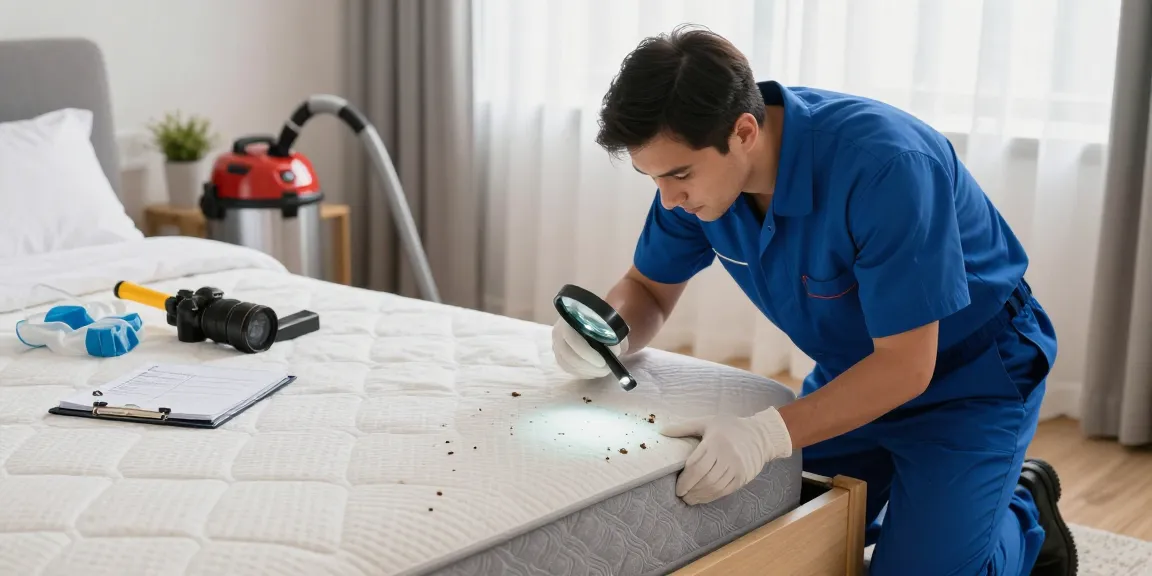
The first step in the extermination process is a detailed inspection. Experts will look for signs of bed bugs in the most common hiding spots and assess the extent of the infestation. This assessment will influence the choice of treatment options. In many cases, a K9 inspection team may be utilized to help detect live bed bugs in hard-to-reach areas.
Post-Treatment Follow-up and Prevention Tips
After treatment, your extermination company should provide you with follow-up instructions to enhance the effectiveness of the treatment. This may include recommendations on how to maintain cleanliness, frequent monitoring for signs of bed bugs, and preventive measures to avoid future infestations.
Emergency Services: When to Call
Understanding when to call for emergency services is crucial. If you notice any signs of re-infestation or experience severe reactions to bed bug bites, do not hesitate to contact your exterminator. Timely intervention can prevent the problem from worsening.
Real-World Success Stories: Case Studies
Learning from successful extermination cases can provide reassurance and insights into what can be achieved through professional intervention.
Successful Treatments in Residential Properties
Many homeowners have shared positive experiences after hiring professional exterminators for bed bug treatments. One such case involved a family in Milwaukee who struggled with a serious infestation for months. After one comprehensive heat treatment, the family reported no further signs of bed bugs, allowing them to sleep comfortably once again.
Commercial Extermination: Business Success Stories
Businesses, such as hotels and rental properties, face the challenge of maintaining a bed bug-free environment for their clientele. A local hotel successfully partnered with a pest control expert to resolve an infestation, resulting in positive guest reviews and a restored reputation. This showcases the importance of professional services for both residential and commercial properties.
How Client Experiences Shape Our Services
Feedback from clients often shapes the services provided by exterminators. Continuous improvement and adaptation to client needs ensure that pest control strategies remain effective in the evolving landscape of pest management.
What Are the Signs of Bed Bugs?
As mentioned previously, signs of bed bugs include itchy bites, fecal stains, and egg casings. Recognizing these signs early can save you considerable time and money in prevention and treatment.
How Long Does Bed Bug Treatment Take?
The duration of bed bug treatment can vary based on the severity of the infestation and the treatment method used. Typically, effective treatment can take a few hours to several days, with follow-up inspections usually recommended two weeks post-treatment.
Are Bed Bugs Dangerous to My Health?
While bed bugs do not transmit diseases, their bites can cause allergic reactions and significant discomfort. The stress of dealing with an infestation can also affect mental well-being, underscoring the importance of quick and effective management.
What Should I Do Before Bed Bug Extermination?
Before your treatment, it’s crucial to follow any instructions provided by your exterminator. This might include washing bedding, decluttering, and preparing your home for treatment. Compliance with these steps can enhance the effectiveness of the service.
How Often Should I Schedule a Check-up?
Regular inspections, at least annually, are advisable, especially if you live in multi-family dwellings or frequently travel. Early detection can prevent substantial infestations and the associated stress.