
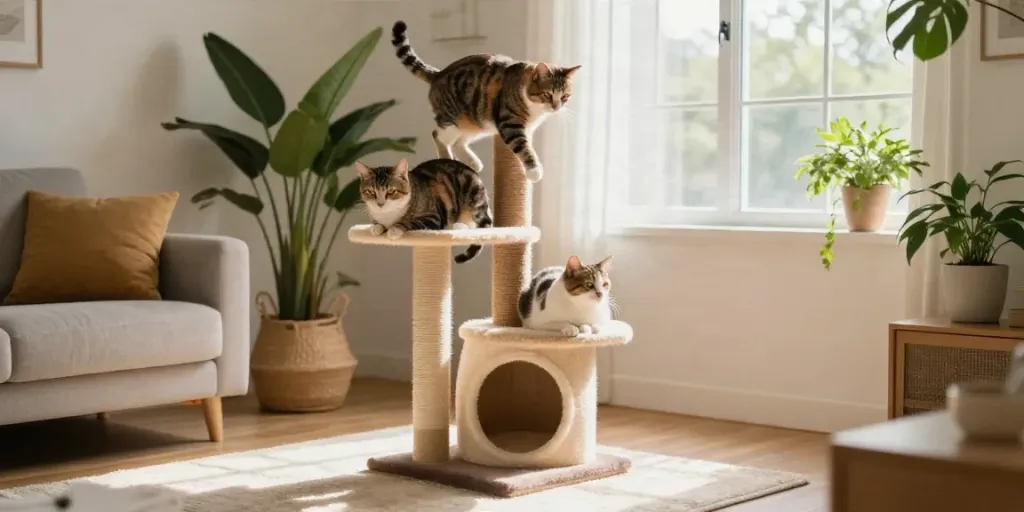
The Importance of a Cat Tree for Your Feline Friend
In the world of pet care, providing a stimulating environment for your cats is crucial to their health and happiness. One key element of this environment is a cat tree. These structures not only serve as a place for climbing and play but also cater to the natural instincts of your cats, allowing them to scratch, perch, and explore. Understanding the importance of a cat tree can transform your living space and significantly enhance your feline friend's quality of life.
Why Cats Need Vertical Space?
Cats are inherently tree-dwelling creatures. In the wild, they climb trees to find safety from predators, hunt for food, and survey their territory. Vertical space is essential for their physical and mental well-being. Providing a cat tree allows your feline friend to engage in these natural behaviors within the safety of your home, giving them a sense of security and freedom.
Benefits of Cat Trees for Indoor Cats
Indoor cats, in particular, benefit from cat trees as they can often lack the stimulation provided by outdoor environments. Here are some key benefits:
- Exercise: Climbing and jumping on a cat tree keeps your cat active, helping to prevent obesity and related health issues.
- Scratching Opportunities: A cat tree offers designated scratching areas, which can save your furniture and carpet from damage.
- Stress Reduction: Elevated spaces can help reduce anxiety in cats, providing them with a safe haven when they feel threatened.
- Social Interaction: Cat trees can serve as a common playground for multiple cats, encouraging play and interaction.
Choosing the Right Cat Tree for Your Home
When selecting a cat tree, consider the following factors:
- Size: Ensure the cat tree fits comfortably in your living space. Larger trees are great for multiple cats, while smaller options fit snugly in apartments.
- Materials: Choose high-quality materials that can withstand wear and tear. Look for solid wood or sturdy particleboard.
- Height: Cats love height, so look for multi-level designs that allow for climbing and perching.
- Features: Consider additional features like ramps, tunnels, and integrated scratchers that can provide extra stimulation.
Types of Cat Trees to Consider
Traditional vs. Modern Designs
Cat trees come in various styles, from traditional to modern designs. Traditional cat trees are often carpeted and feature multiple scratching posts and hideaways, while modern designs may incorporate sleek materials and minimalist aesthetics. When choosing, consider your home decor and your cat's preferences.
Cat Trees for Large Breeds
Not all cat trees are created equal, especially when it comes to accommodating larger breeds like Maine Coons or Ragdolls. Ensure any tree you consider has a robust structure and can support the additional weight and activity levels of larger cats. Look for specialty designs that offer wider platforms and deeper perches for maximum comfort.
Multi-Level vs. Single-Level Trees
Multi-level cat trees provide various climbing opportunities for your cats, promoting exercise and exploration. Single-level trees, while simpler, can still be valuable for setting up cozy sleeping spots or play areas. Consider your cat's energy levels and playfulness when making your choice.
How to Train Your Cat to Use Their Tree
Encouraging Exploration and Play
Introducing a cat tree to your home can be a game changer for your pet’s playtime. To encourage your cat to explore their new tree, start with placing their favorite toys or treats at different heights. This tactic will pique their curiosity and lead them to engage with the structure.
Using Treats for Positive Reinforcement
Using treats as a positive reinforcement can help your cat form a positive association with their new tree. Offer treats or playtime rewards when they use the tree, reinforcing the behavior you want to nurture. Over time, your cat will come to see their cat tree as a safe and fun part of their environment.
Common Misconceptions About Cat Trees
Many pet owners may believe that cat trees are unnecessary or too expensive. However, the benefits far outweigh the initial investment. Cat trees not only facilitate healthy habits like scratching and climbing but also reduce potential behavior problems that can arise from boredom.
Care and Maintenance of Cat Trees
Cleaning Tips for Pet Owners
Regular maintenance is essential for ensuring the longevity of your cat tree. Vacuuming the surfaces can help remove fur and debris, and mild soap can be used to clean any stains or messes. Check for removable covers that are washable and easy to replace.
Inspecting for Wear and Tear
Keep an eye on the structure for any signs of wear. Loose parts, frayed fabric, or broken components should be addressed quickly to prevent injuries. Regular inspections will ensure your cat tree remains a safe haven for your feline friend.
Enhancing Longevity with Proper Care
To enhance the durability of the cat tree, consider placing it in a location away from heavy foot traffic. Avoid direct exposure to sunlight, which can fade materials and weaken the structure over time. Regularly rotating toys and adding new ones can keep your cat engaged and protect the surfaces from excessive wear.
Future Trends in Cat Trees for 2026
Innovative Designs and Materials
As pet care continues to evolve, so too do the designs of cat trees. In 2026, expect to see more innovative materials that are not only durable but also aesthetically pleasing, allowing them to blend seamlessly into modern home decor.
Smart Technology Integration
Smart technology is also making its way into pet products. Future cat trees may come equipped with features such as health monitoring sensors, interactive elements that engage your cat, and even remote-controlled functions to allow pet owners to monitor and play with their pets when away from home.
Eco-Friendly and Sustainable Options
With an increasing focus on sustainability, eco-friendly cat trees made from recycled or sustainably sourced materials are becoming more prevalent. These options are not only good for the planet but also safe for your pets.
Are Cat Trees Worth the Investment?
When considering whether a cat tree is worth the investment, think about the long-term benefits it can provide. The enhancement of your cat’s physical and mental health, combined with the potential for reduced behavioral issues, makes a cat tree a valuable addition to any cat-friendly household.
How Many Cat Trees Does Your Home Need?
The number of cat trees you need depends on the number of cats and their individual preferences. Multi-cat households may benefit from multiple trees placed in different areas, allowing each cat their own space while still fostering interaction.
Can a Cat Tree Help with Behavior Issues?
Many behavioral issues, such as scratching furniture or aggression, can be mitigated by providing an appropriate outlet for your cat’s natural instincts. A well-placed cat tree can redirect their energy toward a safe and acceptable activity.
What Size Cat Tree is Right for My Cat?
The right size cat tree should accommodate your cat's size and weight comfortably. Ensure there are enough perches and scratching posts for all cats in the household, especially in multi-cat environments, so that everyone has access without conflict.
Where to Buy the Best Cat Trees?
When searching for a quality cat tree, consider reputable brands known for their durability and design. Online retailers, local pet stores, and specialty stores often have extensive selections. Be sure to read reviews and compare features to find a tree that fits your cat's needs.